Transform Your Living Space: Fresh Design Inspiration for Upgrading Common Areas in Your Home
Reimagining a home interior demands more than surface-level modifications; it requires thoughtful planning and innovative design. Key spaces, including entryways and living rooms, play a vital role in establishing an inviting environment. Through the use of well-planned layouts and clever storage options, one can elevate both practicality and aesthetics. Exploring various design ideas reveals opportunities for personal expression. What features genuinely transform a space into a personal sanctuary? The answer may be simpler than expected.
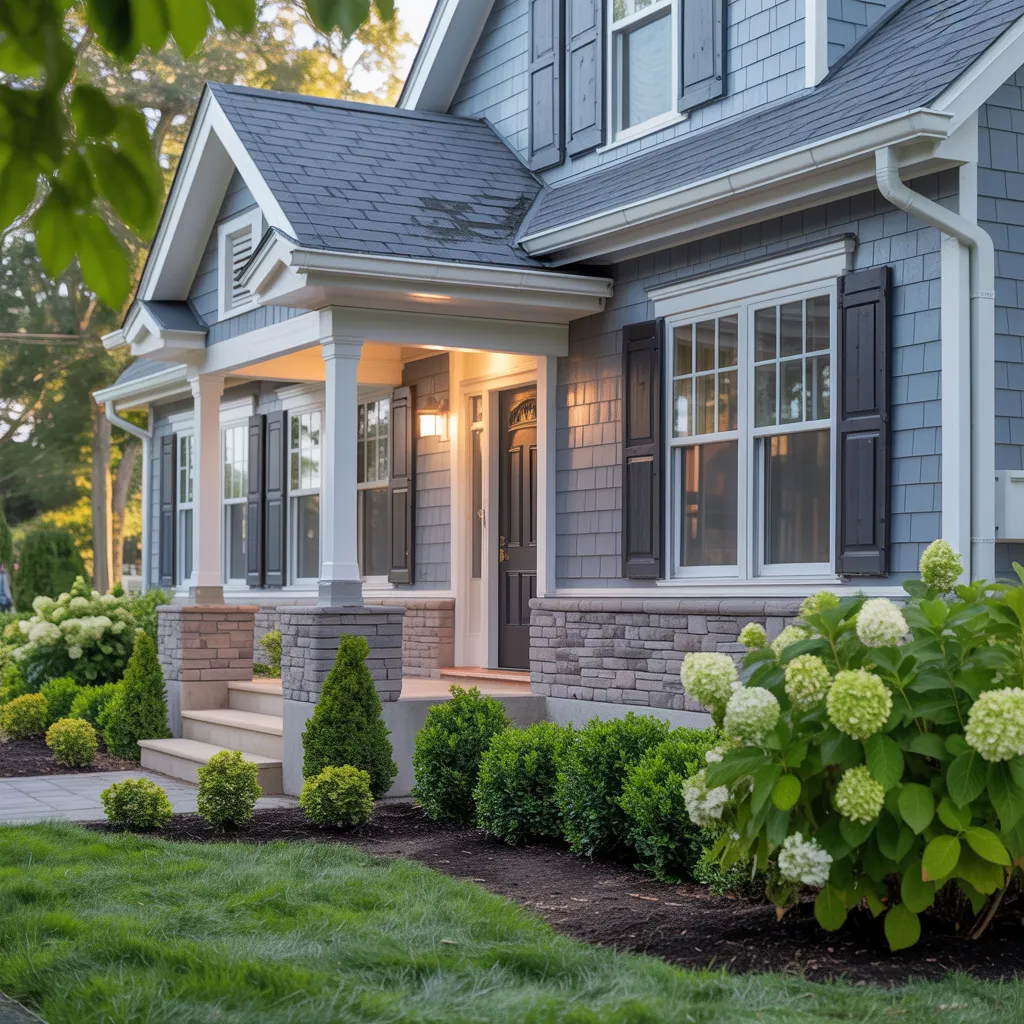
Craft a Welcoming Entryway: First Impressions Matter
How can a well-designed entryway transform a home's atmosphere? A thoughtfully curated entryway serves as the first point of contact, setting the tone for the entire residence. It invites guests in and reflects the homeowner's style and values. Critical factors including lighting, hues, and decor pieces contribute significantly to establishing a warm and welcoming environment. Gentle, ambient illumination can smooth out sharp transitions, while a vibrant new paint color in welcoming shades elevates the overall visual experience.
Integrating practical elements, like a tasteful bench or well-arranged storage, adds practicality without sacrificing design. Design features, such as artwork or a statement mirror, can further enrich the space, rendering it both practical and visually appealing. By prioritizing these aspects, an entryway can be reimagined as a welcoming, cozy threshold that leaves a lasting first impression, seamlessly bridging the outside world with the coziness of your interior.
Refresh Your Lounge: Simple Design Tips
In revitalizing a living room, optimizing furniture arrangement plays an essential role in enhancing both functionality and aesthetics. By strategically positioning seating and tables, one can develop a more comfortable and appealing space. Furthermore, incorporating multi-functional pieces can optimize available space while enhancing the room's natural flow.
Improve Furniture Layout
A thoroughly considered furniture arrangement can dramatically transform a living room, improving both its practicality and visual charm. To get the full story establish a warm ambiance, one should assess the flow of movement within the space. Arranging bigger furnishings, such as couches, against walls can make the room feel more spacious, while modest chairs and coffee tables can establish intimate gathering spots. Ensuring that walkways remain open and accessible encourages fluid navigation. Additionally, the use of rugs can serve to distinguish various sections, giving the room structure. It is essential to sustain equilibrium between design and utility; preventing clutter ensures every item can be admired. By carefully arranging furnishings, one can cultivate a cohesive space that welcomes leisure and conversation.
Integrate Multi-Purpose Elements
Improving a living room's functionality can be achieved by incorporating versatile pieces that serve several purposes. For instance, a stylish ottoman can double as a coffee table and offer hidden storage for games or blankets. Sofa beds offer a inviting seating option while functioning as a guest bed when required. Nesting tables are an additional outstanding choice, providing flexibility in surface area for snacks or drinks without occupying excessive space. In addition, wall-mounted shelves can present decor while offering extra storage without cluttering the floor. By opting for versatile furniture, homeowners can build a adaptable environment that suits their lifestyle, making the living room both inviting and practical. These elements not only improve space but also boost the overall aesthetic.
Dining Area Makeover: Stylish and Functional Designs
Redesigning a dining zone can greatly elevate a home's visual appeal and practicality. A expertly crafted dining space not only functions as a meeting point but also improves the ambiance of the home. To achieve a polished appearance, implement a balanced color combination that coordinates with existing home elements, combining subtle shades with eye-catching pops of color. Introducing a bold centerpiece table, such as a rustic reclaimed wood design or a sleek glass design, can serve as a design highlight.
Practical layouts may include built-in bench seating, which maximizes space and adds comfort. Multi-functional furniture, like adjustable tables, can cater to different numbers of diners without sacrificing style. Lighting is a key factor; decorative pendant lights or a statement chandelier can create a warm atmosphere. Finally, including distinctive accents like wall art or decorative focal points can render the space warm and welcoming, ensuring that the dining space becomes a cherished part of the home.
Home Office Design Ideas for Improved Productivity
Developing a functional home office demands careful consideration of important aspects that affect productivity. Selecting ergonomically sound pieces, maximizing light sources, and tailoring the work environment can substantially enhance efficiency and ease. Such design strategies help transform a home office into a motivating and functional environment.
Ergonomic Furniture Choices
Picking out ergonomic office furniture is essential for those who want to optimize their home office environment. Such furniture is designed to support the body's natural posture, minimizing the chances of physical strain and lasting health concerns. Essential items consist of customizable seating, which allow users to align their feet flat on the floor, and surfaces that allow for both sitting and standing work. Furthermore, amenities such as lumbar backing and cushioned armrests enhance comfort during extended work hours. Including a keyboard tray may also support ideal wrist alignment, helping to minimize wrist strain. Through the use of ergonomic options, workers can establish a setting that encourages output and wellness, culminating in a smoother and more rewarding remote work environment.
Ideal Lighting Strategies
Though various elements impact efficiency in a home workspace, ideal lighting stands out as an essential factor. Natural lighting is particularly valuable, as it improves mood and minimizes eye fatigue. Positioning the desk near a window allows for the greatest amount of daylight, which can boost focus and creativity. When daylight is scarce, adaptable artificial lighting proves crucial. Adjustable task lamps can offer directed light, decreasing glare across monitors and papers. Furthermore, integrating warm-colored LED lights can establish a comfortable ambiance, fostering a conducive working environment. Combining multiple light sources—including ambient, task, and accent lighting—guarantees that the workspace is well-lit throughout the day. Through focusing on efficient lighting options, individuals can significantly improve their home office efficiency.
Make Your Workspace Your Own
An appealing and tailored workspace can greatly boost efficiency in a home office. To achieve this, workers are encouraged to pick colors that promote inspiration and attention, such as gentle blues or invigorating yellows. Incorporating personal elements, like artwork or photographs, can cultivate feelings of comfort and drive. Ergonomic furniture, including adjustable desks and supportive chairs, is fundamental in supporting bodily wellness during long work hours. Additionally, organizing supplies with stylish storage solutions helps minimize distractions. Adding greenery can further enhance air quality and establish a tranquil environment. By deliberately arranging their personal office space, people can express their character while maximizing practicality, thereby achieving improved performance and workplace contentment.
Celebrating Color: Bold Palettes for Remarkable Spaces
Rich tones have the power to transform common living areas into stunning visual statements, infusing life and character into any living area. Through adopting bold color schemes, homeowners can create an atmosphere that expresses their individual character and encourages a dynamic atmosphere. Consider pairing deep blues with bright yellows or deep emerald tones with vibrant oranges to create striking visual contrasts that captivate attention.
Accent walls finished in vivid tones can also act as focal points, improving the overall visual appeal. Textiles, such as cushions and rugs, can be selected in complementary shades to further tie the room together. Additionally, incorporating bold artwork or decorative pieces can amplify the color scheme, making the space feel cohesive and thoughtfully designed.
Ultimately, using color intentionally facilitates the design of spaces that are not only visually appealing but also emotionally uplifting, inspiring residents to appreciate their living spaces and revel in the energy of their living spaces.
Smart Storage Ideas to Reduce Clutter
Making the most of space using clever storage strategies can dramatically cut down on clutter in any living space. Taking advantage of vertical space is crucial; floor-to-ceiling bookcases and wall-mounted shelves direct attention upward while offering generous storage capacity. Versatile furniture pieces, including ottomans with concealed compartments or coffee tables with built-in drawers, can perform double duty, removing the necessity for surplus items. For more compact spaces, think about using under-bed storage containers or custom cabinets that tuck neatly into alcoves.
In kitchen spaces, knife magnetic strips and wall-mounted pot racks can open up counter space. Additionally, using clear bins or labeled containers in closets can make items more accessible while keeping them organized. Applying these clever storage solutions not only enhances functionality but also creates a peaceful environment, enabling homeowners to fully enjoy their living spaces free from clutter.
Individual Touches: Infusing Your Distinctive Style Into Every Space
Following the implementation of smart storage solutions to achieve a clutter-free environment, homeowners often turn their attention to personalizing their spaces. Incorporating distinctive style elements into shared spaces can completely change the feel of a home. The process of personalization starts with selecting colors and textures that align with personal preferences. Homeowners might select bold accent walls, soft textiles, or statement furniture pieces that reflect their personality.
Adding artwork and personal keepsakes additionally enriches this individuality. Travel souvenirs, family photos, and local artwork serve as natural conversation starters while infusing warmth. Moreover, incorporating plants brings a lively touch, cultivating a deeper connection with nature.
Lighting decisions also fulfill a critical function; unique fixtures can establish mood and highlight design features. Ultimately, blending these elements creates an inviting environment that feels distinctly personal, making certain every space conveys a narrative that mirrors its residents. By balancing visual appeal with personal meaning, homeowners can transform their living areas into genuine reflections of identity.
Questions Our Customers Often Ask
What Affordable Materials Can I Use for Home Improvements?
Cost-effective choices for household improvements include laminate flooring, MDF for built-in storage, repurposed wood for accent features, vinyl wall coverings, and paint. These materials offer decorative value without a substantial financial commitment, transforming interiors effectively and affordably.
How Can I Select the Best Lighting for Every Area?
To determine the most suitable light fixtures, assess each room's function and mood. Utilize warm light for unwinding, intense lighting for workspaces, and flexible fittings for flexibility. Combining light sources adds dimension and produces a balanced atmosphere.
What Are a Few Green Design Concepts for My Home?
Including recycled components, using energy-saving equipment, and choosing non-toxic paints can improve eco-friendliness. Moreover, harnessing natural illumination and incorporating interior greenery promote a green design while improving air quality and aesthetics.
How Can I Integrate Technology Into My Living Space?
Adding innovative technology throughout a living space can encompass automated lighting, automated temperature control, embedded sound systems, and voice-controlled assistants. These technologies boost overall convenience, optimize energy efficiency, and create a more connected and dynamic living environment.
What Seasonal Decorating Tips Can Improve My Common Areas?
Incorporating seasonal design elements can enhance communal areas using themed accents like vivid decorative pillows, festive centerpieces, and nature-based arrangements. Delicate lighting transitions and seasonally themed artwork further enhance the atmosphere, creating a warm environment across all seasons.